
these are some things i recently learnt about teeth
questions borne out of boredom in the dentist's chair

i have had a lifelong fear of the dentist, borne out of an encounter with who i can only assume is a sadist masquerading as a MOE-assigned dentist. at 14, i submitted myself to the ominous on-campus Dental Clinic-On-Wheels (already not a great sign - who are they running from?). after some uneventful poking, proding and scaling, i was asked if i “wanted to see”. sure, i responded, placing my head on curiosity’s execution block. the dentist gleefully held up a small mirror, through which i gazed into a lake of blood in my mouth. “bloody, right!”, he chirped. “aaahngnnhgg”, i wept.
after about 8 long years of avoiding the dentist, i obtained corporate-sponsored dental insurance. the well-bred asian instincts of not passing up a good deal overrode the deep-seated trauma, and i booked myself in.
as it turns out, avoiding the dentist for a prolonged period creates some oral consequences. over the last 10 months i have spent more time than i care to admit slack-jawed and immobilised, during which i had time to have a deeper think about my chompers.
why do we have two sets of teeth?
humans are diphyodonts, ie. we have two successive sets of teeth in a lifetime (where the greek roots are phyos - growth; odont - tooth). this seems stupid and inefficient. i put in so much effort growing the first set already! also, if i was going to have multiple, why can’t i just regrow my tooth every time i get a cavity?
as it turns out, nature throws away the fruits of my childhood hard work because baby jaws are simply too small to accommodate a full set of adult-teeth. because mammals prioritise precise occlusion (the way teeth align) to support the complex chewing that comes with their high energy diets, i had to make a new set that fit my ginormous adult jaws. maintaining this precise tooth alignment would be tough if teeth were constantly regenerating - so evolution “settled” on two well-timed sets.
what of the freaks with multiple sets of teeth?
polyphyodonts (like sharks, reptiles etc.) have new teeth that constantly form and move forward, like a conveyor belt. some sharks replace their teeth 20,000-30,000 times in a lifetime, explaining the abundant supply that makes shark tooth surfer-dude necklaces affordable.
these creatures have stem cell-based tooth generation zones, often at the jaw margins in the dental lamina, which continuously grow tooth buds, push old teeth forward and erupt new teeth in sequence. this is somewhat akin to a biological 3D printer embedded in their gums. in a freaky twist, some fish (like parrotfish) fuse their teeth into a beak and regrow entire beak segments.
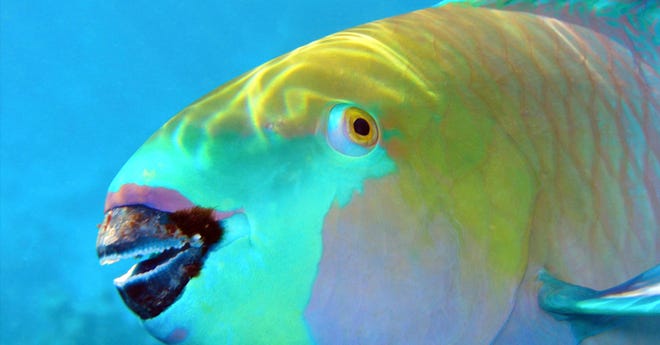
in humans, this regenerative process shuts down after the second set. exciting, researchers are exploring reactivating this process for regenerative dentistry, with some techniques already entering trials for congential tooth agenesis in children.
what if you get it right on the first try (monophyodonts)?
if you have a highly specialized diet or feeding strategy where your tooth shape.function doesn’t need to change, or simply face an evolutionary trade-off where tooth replacement would be unnecessary or even disruptive, you could have a no take-backsies approach to oral apparatus. this includes folks like toothed whales (dolphines, porpoises etc. who have one set of conical teeth for catching fish), certain bats and most fish.
what if you believe in lifelong improvement (hypselodonts)?
hypselodonts are creatures with ever-growing teeth, especially open-rooted teeth that lack a definitive stop point. these teeth therefore grow continuously throughout life, and is crucial for species whose diets or behaviors erode their teeth quickly.
most rodents (rats, mice, squirrels, beavers) have ever-growing incisors. this counteracts the fact that their teeth face constant wear from gnawing on wood, seeds etc. their teeth are also designed to be self-sharpening - since the front is covered in hard enamel and the back is softer dentin, every bite hones the edge like a chisel.
if these teeth are not chiseled down, they could in extreme cases even pierce through the poor guy’s skull. this makes gluttony a matter of survival.
other fun, toothy facts
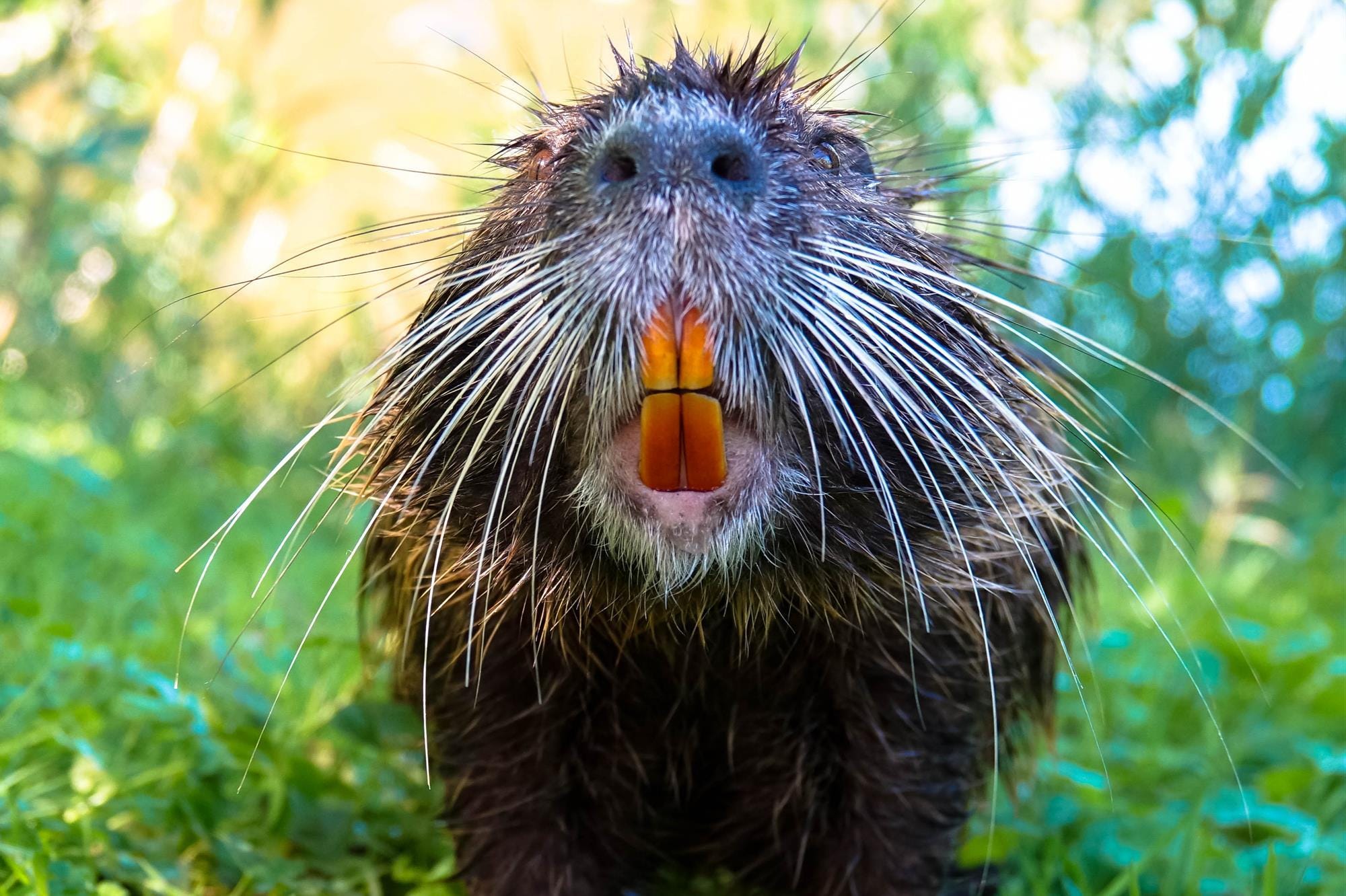
beavers have orange teeth because their enamel is fortified with iron and therefore more resistant to decay than human teeth.
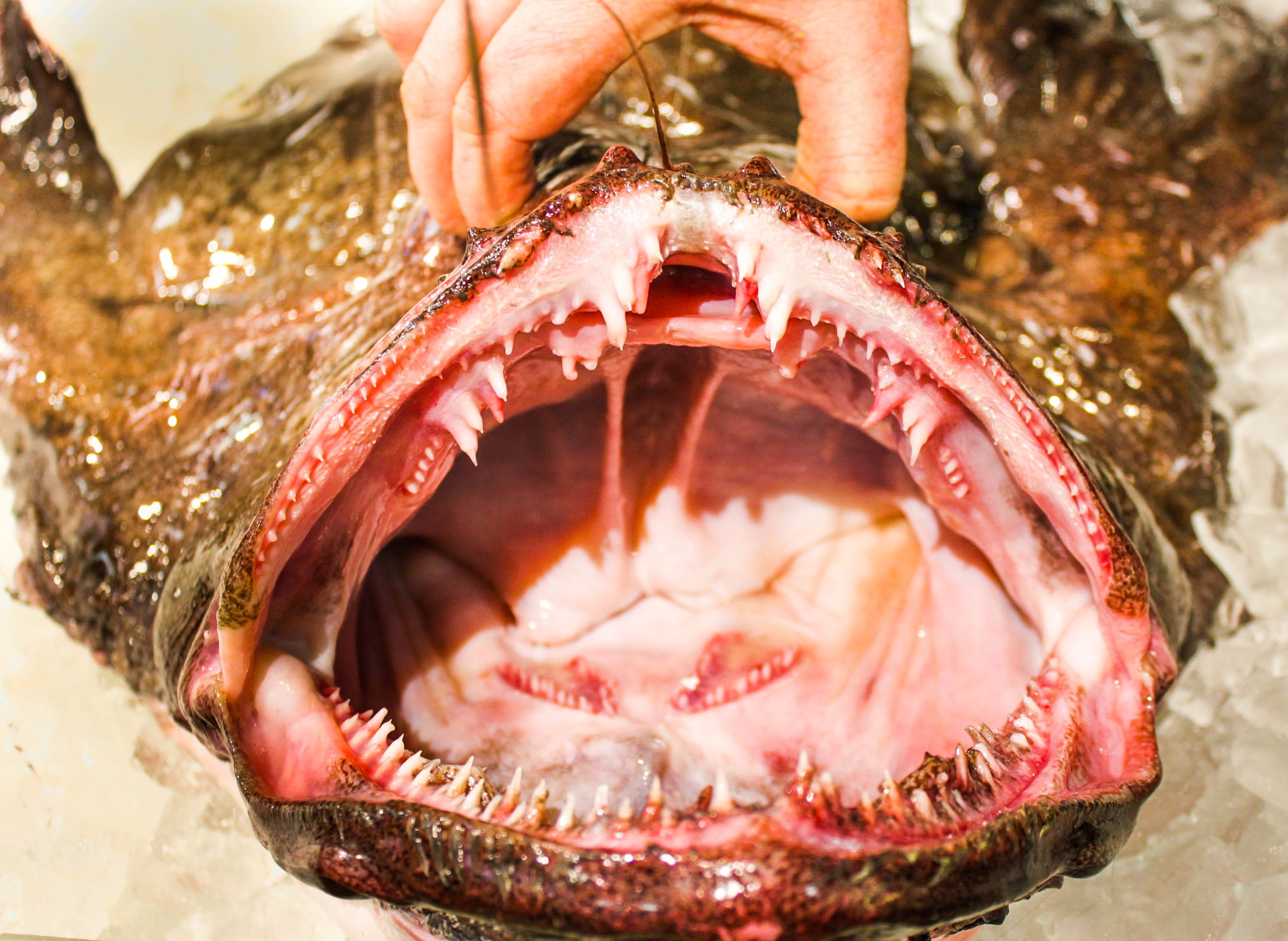
goosefish can swallow prey larger than themselves using recurved teeth that point backwards to prevent escape.
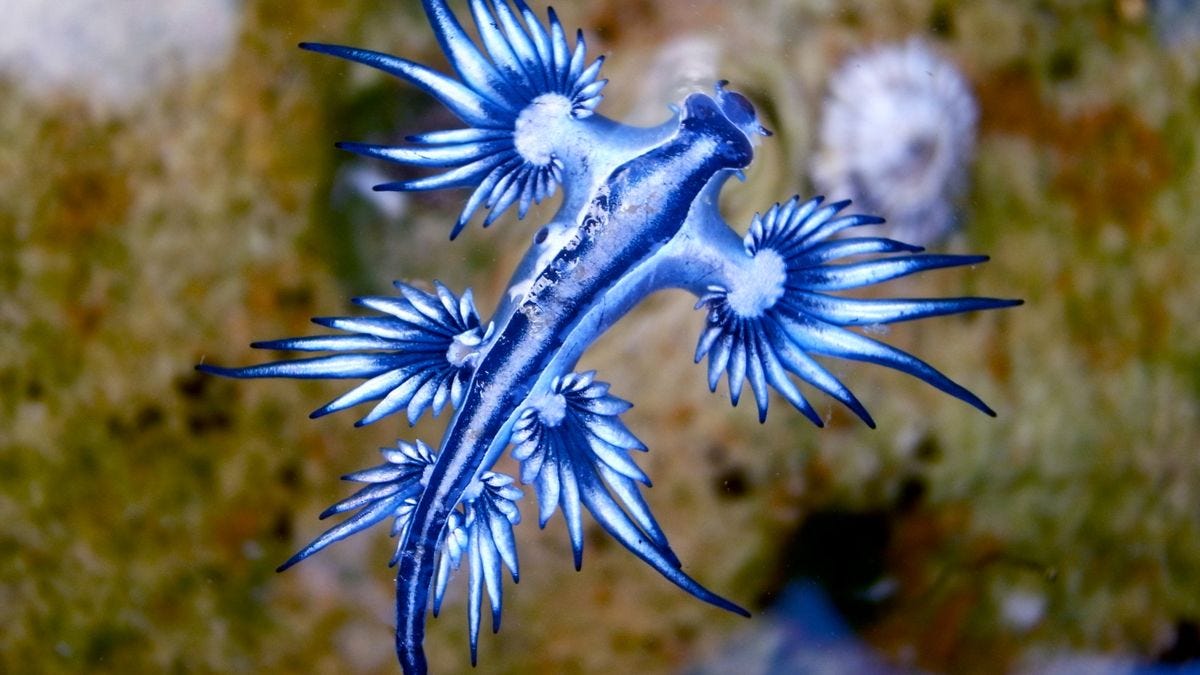
Some sea slugs have over 750,000 teeth, arranged in rows on a radula (a ribbon-like tongue) used for scraping algae off rocks. They're made of magnetite, one of the hardest biomaterials known and an iron oxide mineral that approaches the hardness of steel.
this is so niche and random, i love nuggets of knowledge :D